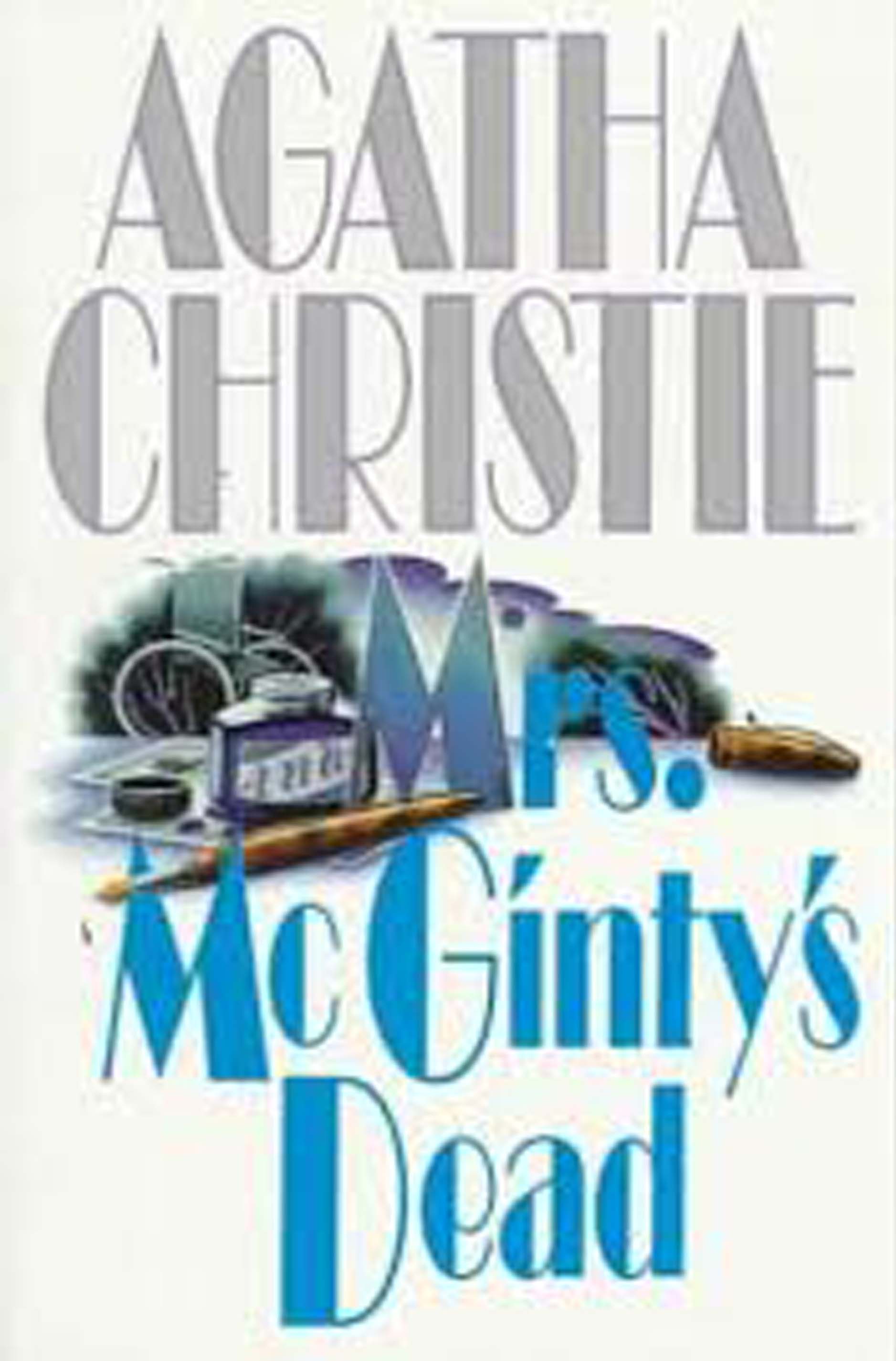
A True Crime Podcast-style Book Review
The year is 1952. The location is Broadhinny, England, and it is early in the morning. Mrs. McGinty gets up from her chair, rising slowly as her rheumatism is beginning to catch up with her knees now that she is 65 years old. She finishes the last of her morning tea, sighs and gets ready for work. As a village charwoman, there is always lots to do. Lots of floors to scrub, shelves to dust, and lots of sweeping and washing. A day like any other, Mrs. McGinty thinks to herself, blissfully unaware that today will be her last.
Welcome to Mostlymurders, the bookstagram account where we look at fictional murders and ask ourselves a very important question: is this worth reading? I am your host Mostly, and I am joined here by my good friend Book. Today we are looking at a classic case from The Queen of Crime. It is Mrs. McGinty’s Dead by Agatha Christie, and I can’t wait to dig into this one and tell you all about it.
Mostly: Book, why don’t you go ahead and get us started?
Book: Okay, Mostly. On the surface Mrs. McGinty’s death seemed simple. All the evidence collected after her death pointed to James Bentley, Mrs. McGinty’s lodger. Luckily for Bently, Superintendent Spence was the investigating officer on the case. Something about Mrs. McGinty’s death just doesn’t sit right with Spence, and eventually he does the only thing he possibly can do, he seeks out the eminent detective Hercule Poirot and asks him to look into the case.
Mostly: Yes, and as luck would have it, Spence finds Poirot at the perfect moment in time. Poirot is bored. Hastings is off on the other side of the world, and Poirot has no cases of interest. Perhaps this is why Poirot agrees to go to Broadhinny, a small village with none of the luxuries of city life and take up lodgings at a far-below-his-standards establishment.
Book: This must feel like quite a sacrifice for Poirot! He is usually in much more posh surroundings, right?
Mostly: Oh absolutely! We normally see Poirot among the upper echelons of British society, but in this one he has to deal with a rundown Guest House with draughty rooms, highly questionable food and people who have never heard of the great detective. The latter might actually be what bothers poor Poirot the most!
Book: I have heard that Agatha Christie got tired of writing Poirot stories. Do you think that had anything to do with it? Was she taking revenge on her own creation by placing him in this situation?
Mostly: I think there might be something to it. In the book, Poirot encounters his friend, the author Ariadne Oliver, in Broadhinny. She is working on a theatre adaptation of one of her books featuring Sven Hjerson, the Finnish detective beloved by everyone but Ariadne Oliver herself, and she has some choice words to say about popular fictional detectives and how frustrating it can be for a writer when her creation outgrows her, forcing her to continue to write their story.
Book: That is interesting. Ariadne Oliver is such a fun character.
Mostly: She really is. She is only a minor character in this story, but her comments are pure comedy whenever she is in a scene. But back to the mystery. As Poirot investigates, he uncovers clues suggesting that Mrs. McGinty was killed because she knew something about someone. The village of Broadhinny may seem peaceful on the surface, but someone there has already killed once to hide their secret and will do so again!
Book: Oooh creepy!
Mostly: Yes, don’t underestimate the death rate in these small, British villages, they’re far more deadly than any high-crime big city. Poirot has his work cut out for him in this one for sure.
Book: I am not going to ask if he solves the case. He’s Poirot, of course he does!
Mostly: He does, but you will have to read the book to find out exactly who killed Mrs. McGinty and why. All I can say is, if you like the idea of Poirot being out of his comfort zone and away from the glamour of the British upper class, this one is for you.
Crime classic – Murder mystery
 Mostly Murders
Leave a comment